


WORKERS
WORKERS Deluxe Tote Bag/ Navy Body x Red Handle
¥19,800 (税込)
CASDAY(東京/浅草・蔵前)のお取り扱い
Description
地味ですが変更点が一つ。持ち手のテープがアクリルから綿スフ(綿レーヨン)の力織機テープ、今まで以上に分厚いものに変わりました。 おなじみ「探しに探す」で、産元さんを見つけました。 今まで、付属屋さんでわからなかった部分がスッキリわかりました。一口に「テープ」といっても、設備の違い、糸の違いでかなり風合いが変わる。 付属屋さんだと「同じ」範囲内でも、実は織機が違う。今回のテープ、過去一ごついです。 「綿・スフ」のスフは「ステープルファイバー」の略で、「スパン・レーヨン」とか、「短繊維のレーヨン」だそうです。 サイズは幅34/奥行16/高さ31。 いわゆるMサイズ。持ち手は短く、手持ちのみ。 ロングハンドルを考えましたが、ハンドル幅が狭いので、いくら長くしても窮屈。 という事で、手持ちのショートハンドルのみ。 外ポケットもつけようかと思いましたが、やはりハンドルとハンドルの幅が狭い。 ここに無理やり付けてもちょっとポケットとして使い勝手が悪いので、最終的に無し。 身頃に対し配色になったハンドル。テープの上に、底と同じ生地を縫い付けています。 ここも2本針のミシンで、生地の左右を折りながら、かつテープの真ん中に乗るように。 設備命!という事で、今回も北関東の工場さんまで行ってきました。 もちろん、日本製です。 やっぱり、こういう部分はいくら見本を見てもらっても、自分で説明しないと気が済まない。 脇の部分、互い違いになるように生地端を折って縫う。これが、バッグ本体の骨になり、中に何も入っていない状態でも自立します。 本体は6号帆布。オンス換算、18.9オンス。 底と、テープに乗る部分は11号帆布。 オンス換算、12オンス。 重さは472~475gほど。 ボディは本家より若干軽いか?? ただ、そもそも、日本のJIS規格の帆布と、本家の帆布(ダック)は規格が違うので完璧に同じものを作ろうとすると、おそらく、糸から作らないと出来ません。 以前、某Dリバー風のオックスを生地屋さんと開発したときも、日本ではまず流通していない番手の糸でした。 おそらく、アメリカはテックス、日本は番手。規格が違うので、日本では定番の番手糸がアメリカのTEXには無い。 また、アメリカで定番のTEXが日本の番手ではない・・・といった事情があるようです。 結局、Dリバー風は、生地屋さんのスケールメリットで「端番手」と呼ばれる、変わった番手の糸から作りました。 今回のトートバッグ、本家と全く同じにしたいのではなく、「日本の規格で、本家に迫る、場合によっては越えた部分もあるものを作りたい」のです。 ステッチのきれいさは完全に本家を越えていると思います。さすが、日本の縫製工場。 生地の目も綺麗。 テープはしなやかで持ちやすい。 ただ、本家は本家で、生地や部品の粗っぽさ、タフさ。 縫製なんか「壊れなければ良い」というラフさ。それはそれで、味わいです。 国が違えば、仕上がりも違う。その違いをぜひご覧ください。
ヴィンテージウェアに対しての圧倒的な探究心から生まれる本物のレプリカウェア
WORKERSは岡山を拠点にワーク、トラッド、ミリタリーを中心としたメンズウェアメーカー。
古着独特の雰囲気を好む代表の舘野高史氏は実際の古着を研究し、 その製品が作られていたメーカーや現存する建物にまで足を運び歴史や資料を 調べ上げて製品づくりのヒントにしています。
すべての製品がメイドインジャパンであり、自分で工程を理解し、 各工程ごとの専用の設備を要した工場でのみ生産を行っています。
日本からだけではなく、あのJ.CREWやINVENTORYなど 世界的に注目されている企業からも熱い注目を集めている。
There's one subtle change. The handle tape has been changed from acrylic to a cotton-rayon power loom tape, and it's thicker than before. After much searching, I finally found the manufacturer. It clarified things I couldn't understand from the accessories supplier before. Even though it's all called "tape," the texture changes considerably depending on the equipment and the type of yarn. Even within the "same" range, the accessories supplier might be using different looms. This tape is the thickest I've ever used. The "staple fiber" in "cotton-rayon" is short for "staple fiber," and it's also called "spun rayon" or "short-fiber rayon." The size is 34cm wide / 16cm deep / 31cm high. It's what's called a medium size. The handles are short, and it's only for hand carrying. I considered long handles, but the handle width is narrow, so no matter how long they were, they would be cramped. So, only the short hand-carry handles are available. I also thought about adding an outer pocket, but again, the width between the handles is narrow. Even if I forced one on, it wouldn't be very practical as a pocket, so I ultimately decided against it. The handles are a contrasting color to the body of the bag. The same fabric as the bottom is sewn onto the tape. This is also done with a double-needle sewing machine, folding the left and right sides of the fabric and ensuring it sits in the middle of the tape. Equipment is everything! So, once again, I went all the way to the factory in northern Kanto. Of course, it's made in Japan. No matter how many samples I show them, I just can't help but explain these parts myself. At the sides, the edges of the fabric are folded and sewn in an alternating pattern. This forms the frame of the bag's body, allowing it to stand on its own even when empty. The main body is made of No. 6 canvas, which is 18.9 ounces. The bottom and the part that sits on the tape are made of No. 11 canvas, which is 12 ounces. The weight is about 472-475g. Is the body slightly lighter than the original? However, the Japanese JIS standard canvas and the original canvas (duck) have different specifications, so to make something that is perfectly identical, it would probably be impossible without making the thread from scratch. Previously, when we developed a D-River-style oxford fabric with a fabric supplier, the yarn count was one that is practically unheard of in Japan. It seems that in America, they use "Tex," while in Japan, they use "count." Because the standards are different, standard yarn counts in Japan don't exist in American Tex, and vice versa. Ultimately, the D-River-style fabric was made using an unusual yarn count, sometimes called "end-count," thanks to the fabric supplier's economies of scale. With this tote bag, we didn't want to make it exactly the same as the original; we wanted to create something that, using Japanese standards, comes close to the original, and in some ways even surpasses it. I think the stitching is completely superior to the original. As expected from a Japanese sewing factory. The fabric weave is beautiful. The tape is supple and easy to hold. However, the original has its own unique charm: the roughness and toughness of the fabric and components. The stitching is rough, with a "as long as it doesn't break" attitude. That, in itself, has its own character. Different countries produce different finishes. Please take a look and see the difference for yourself.
Authentic replica clothing born from an overwhelming passion for vintage wear.
WORKERS is a menswear manufacturer based in Okayama, focusing on workwear, traditional, and military styles.
Takashi Tateno, the representative who loves the unique atmosphere of vintage clothing, studies actual vintage clothing, visits the manufacturers where the products were made and even the existing buildings, and investigates the history and materials to use as inspiration for his product creation.
All of our products are made in Japan, and we only produce them in factories where we understand the process ourselves and have specialized equipment for each stage of production.
It's attracting a lot of attention not only from Japan, but also from globally recognized companies like J.CREW and INVENTORY.
- 品番
- -
- 素材
- Cotton 100%
- 原産国
- JAPAN
Store
Related Products
-
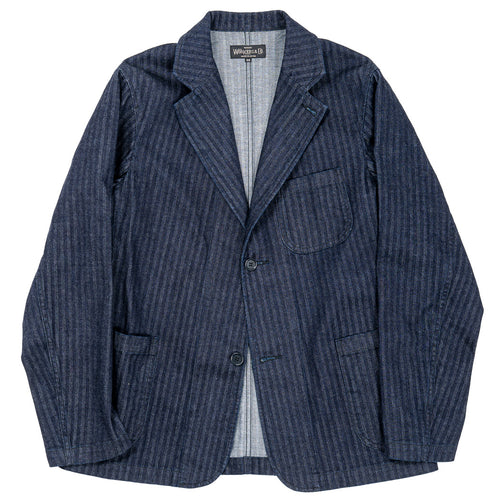
WORKERS
WORKERS Lounge Jacket, Indigo Herringbone
¥36,300
1 Colors
-
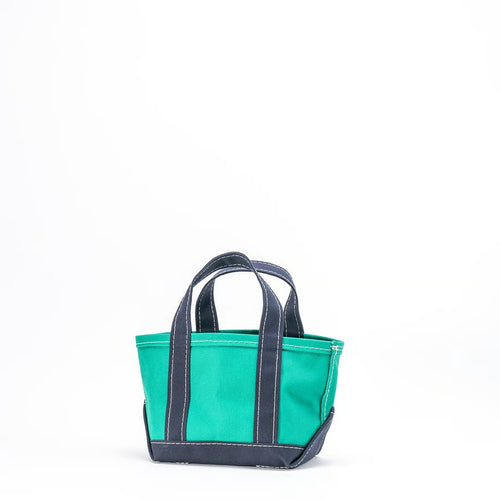
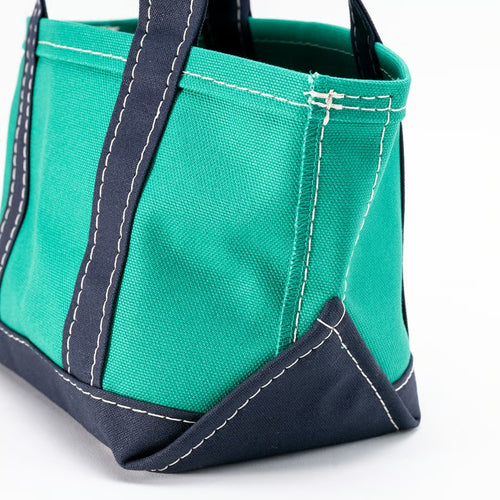
WORKERS
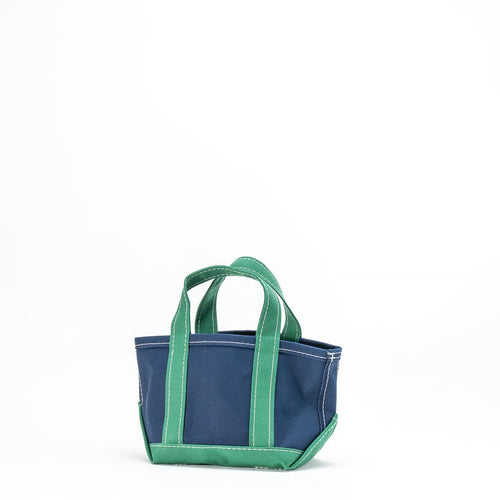
WORKERS Deluxe Tote, Mini, Green x Navy
¥9,900
-
WORKERS
WORKERS Deluxe Tote, Mini, Dark Navy x Green
¥9,900
-
WORKERS
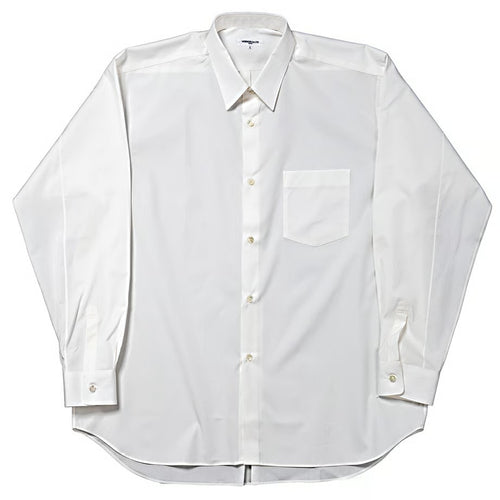
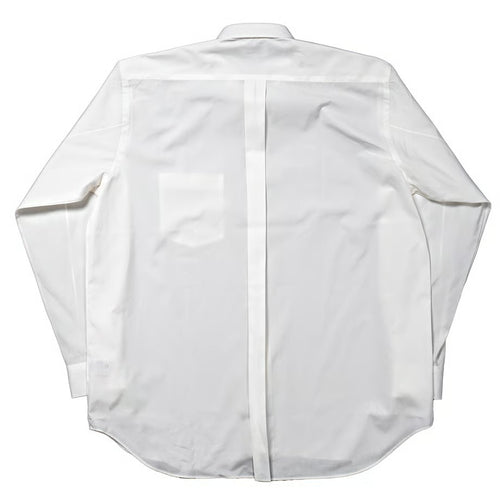
WORKERS BOX SHIRT, White poplin
¥25,300
1 Colors
-


WORKERS
WORKERS Lot S801XX Wide Straight Jeans
¥27,500
1 Colors
-


WORKERS
WORKERS Deluxe Railroad Jacket, 11 oz, Pure Indigo Denim
¥38,500
1 Colors
-


WORKERS
WORKERS Baker Pants Regular Fit, OD Herringbone
¥20,900
1 Colors
-


WORKERS
WORKERS Baker Pants, Trace MIL-838-D, OD Herringbone
¥20,900
1 Colors
-
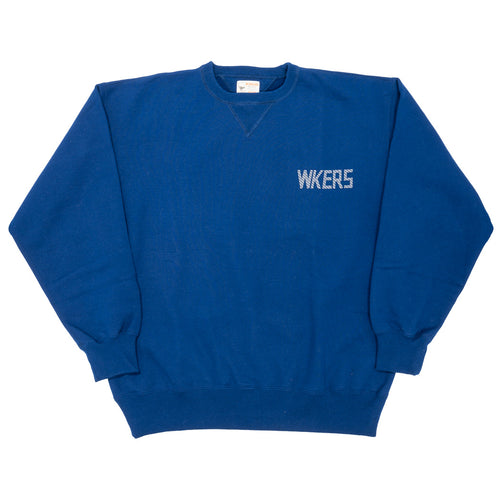
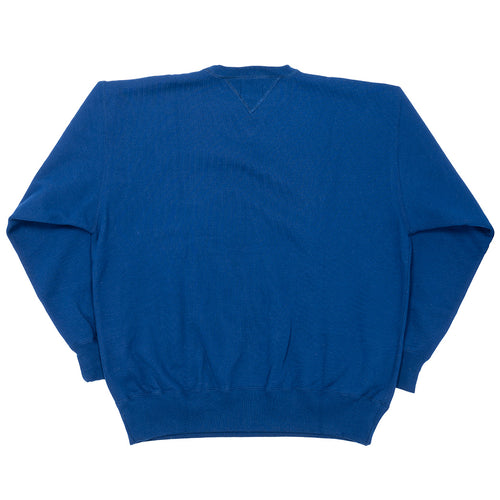
WORKERS
WORKERS RYO-V Sweat/WKERS, VI Blue
¥19,800
1 Colors
-
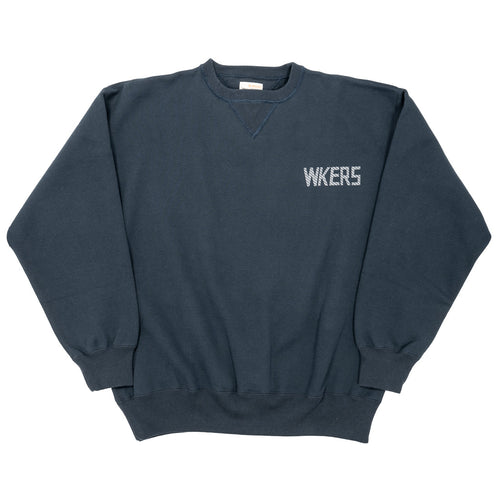
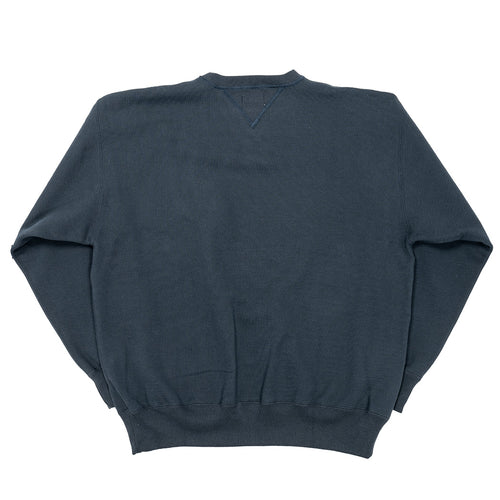
WORKERS
WORKERS RYO-V Sweat/WKERS, Fade Black
¥19,800
1 Colors
-
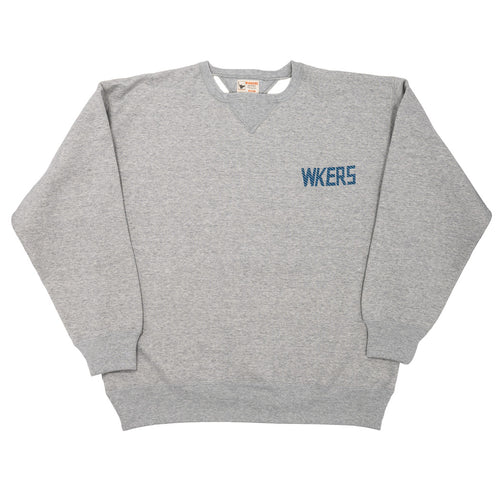
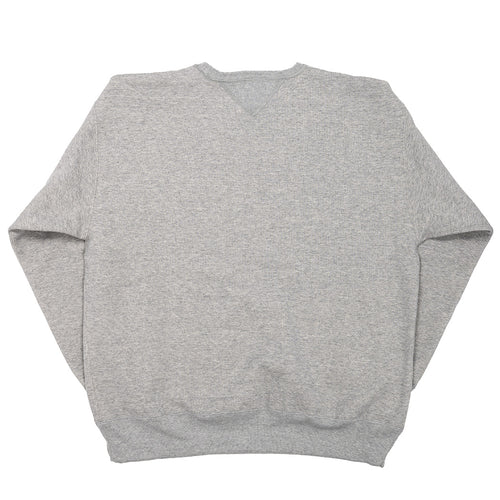
WORKERS
WORKERS RYO-V Sweat/WKERS, Grey
¥19,800
1 Colors
-
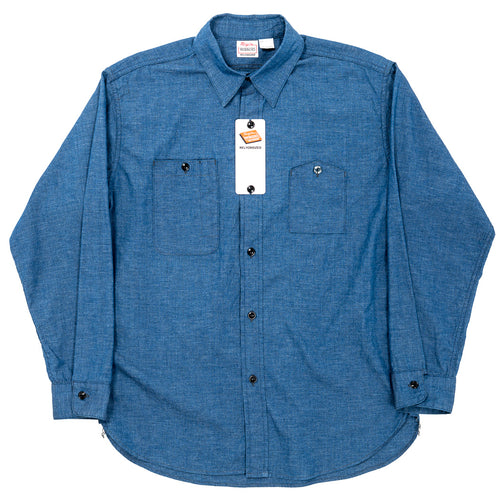
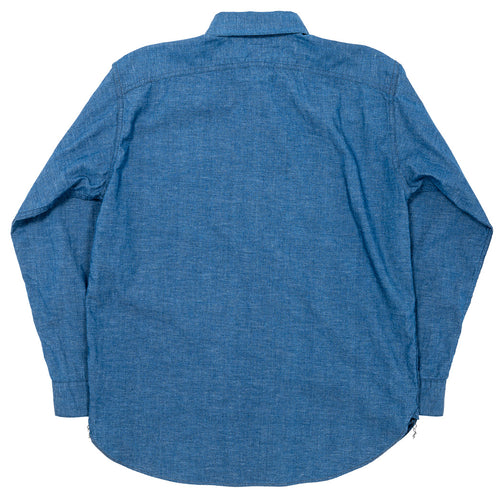
WORKERS
WORKERS Yama-Poke Work Shirt, Blue Moku Chambray
¥18,700
1 Colors
-
WORKERS
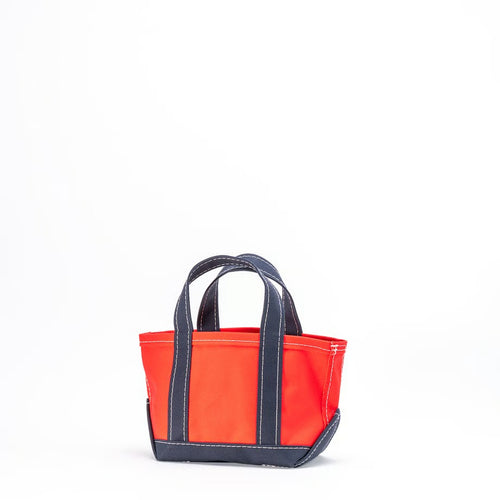
WORKERS Deluxe Tote, Mini, Red x Navy
¥9,900
-
WORKERS
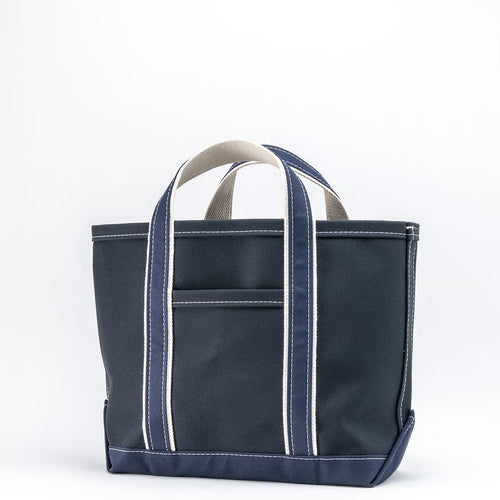
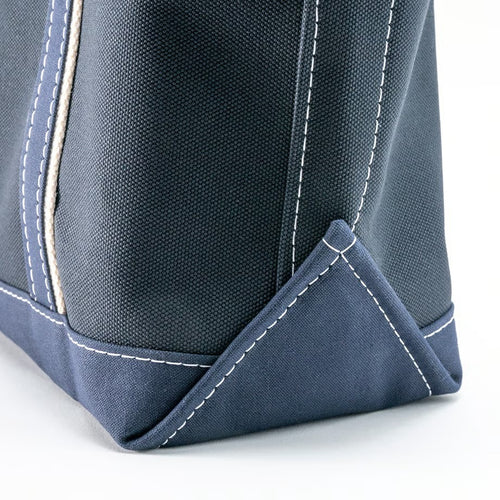
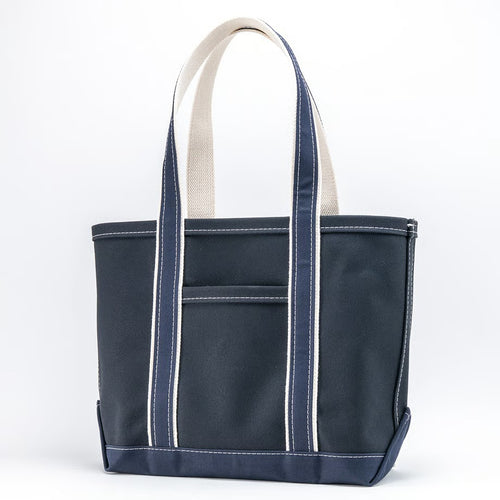
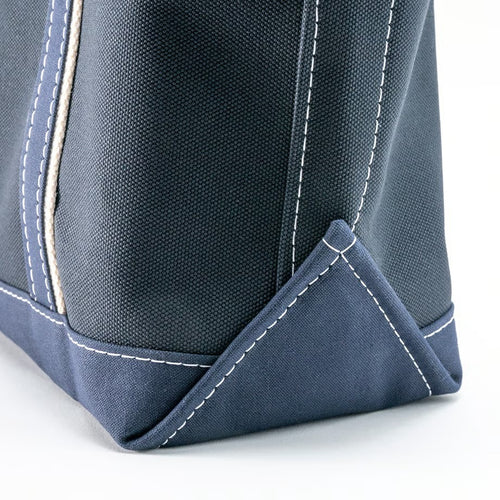
WORKERS Deluxe Pocket Tote Bag/ Dark Navy x Navy Handle/Short
¥19,800
-
WORKERS
WORKERS Deluxe Pocket Tote Bag/ Dark Navy x Navy Handle/Long
¥19,800
-
WORKERS
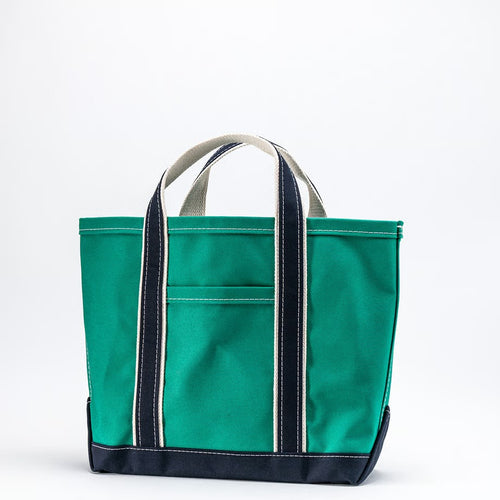
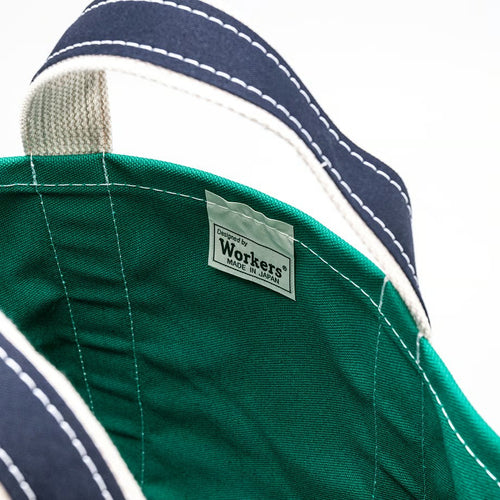
WORKERS Deluxe Pocket Tote Bag/ Green x Navy Handle/Short
¥19,800
-
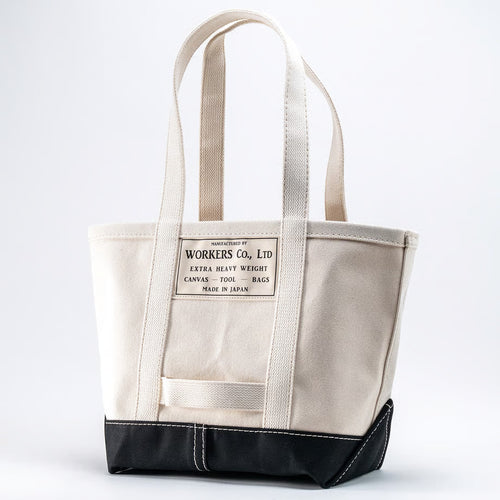
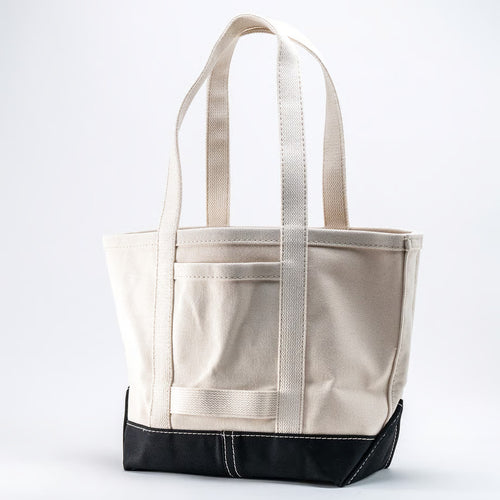
WORKERS
WORKERS Tool Bag, Medium-Long Handle, Ecru x Black
¥19,800
-
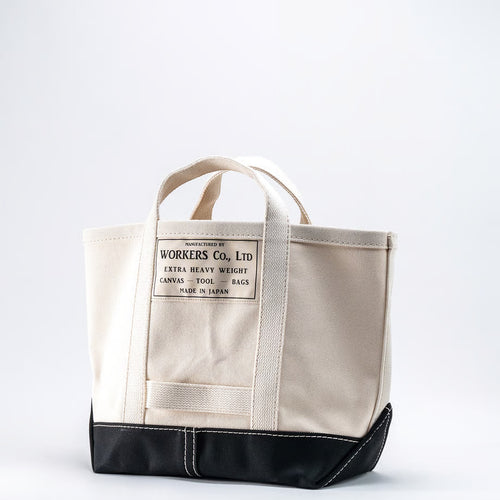
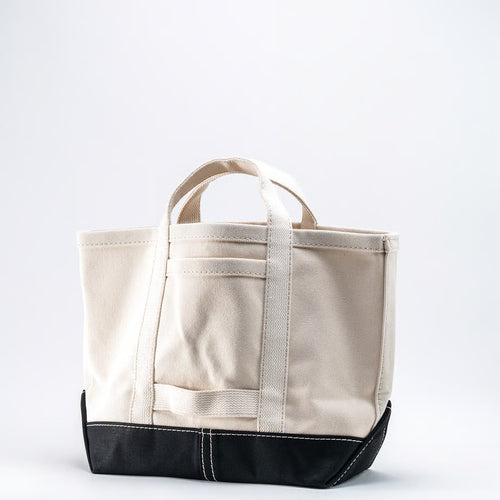
WORKERS
WORKERS Tool Bag, Medium-Short Handle, Ecru x Black
¥19,800
-
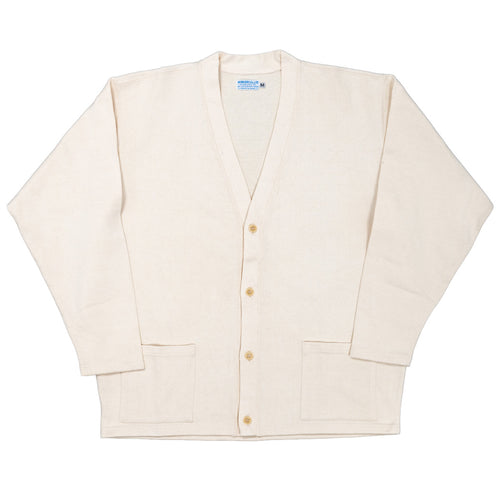
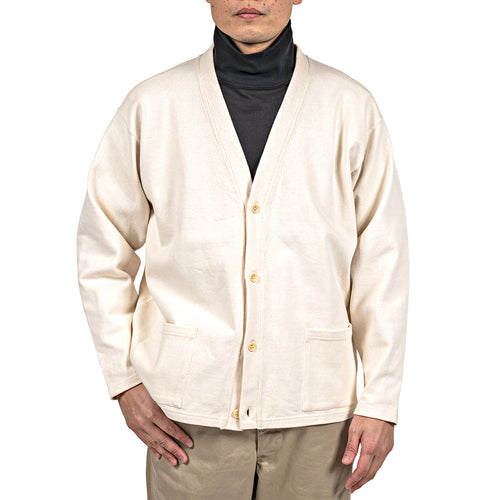
WORKERS
WORKERS Cotton Relax Cardigan, White
¥22,000
1 Colors
-
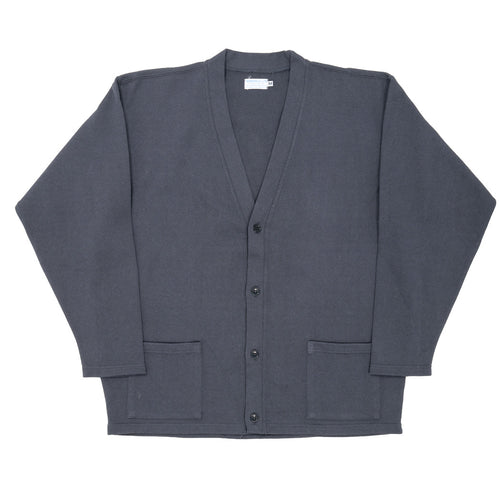
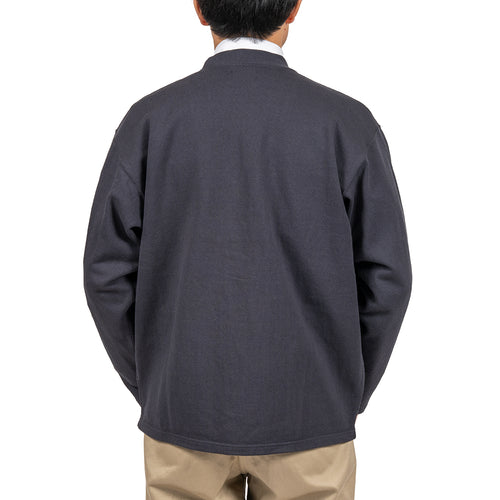
WORKERS
WORKERS Cotton Relax Cardigan, Fade Black
¥22,000
1 Colors
-
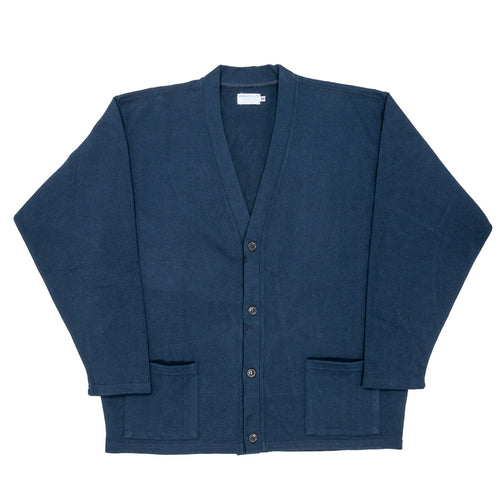
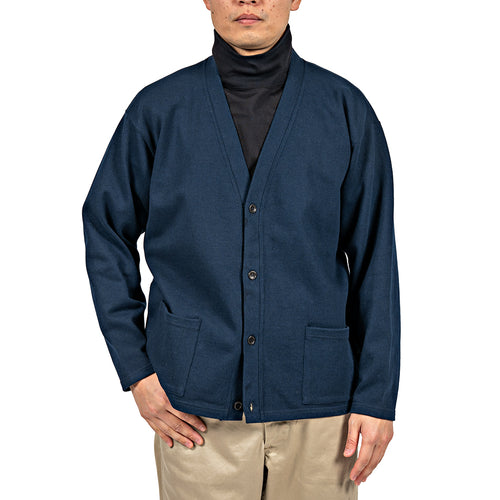
WORKERS
WORKERS Cotton Relax Cardigan, Navy
¥22,000
1 Colors
-
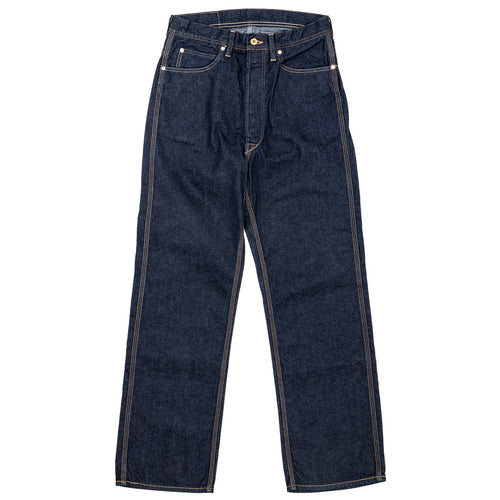
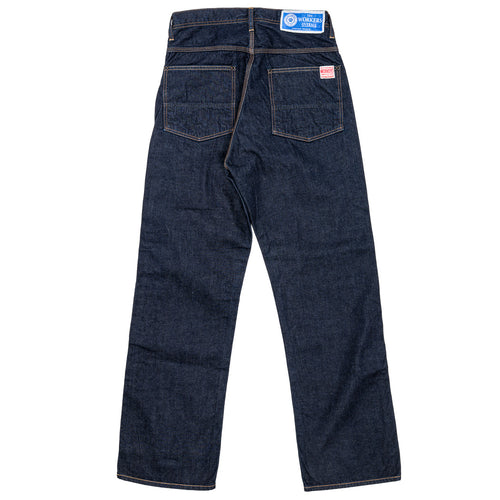
WORKERS
WORKERS Lot 815 Work Pants, 11 oz, Pure Indigo Denim
¥22,000
1 Colors
-
WORKERS
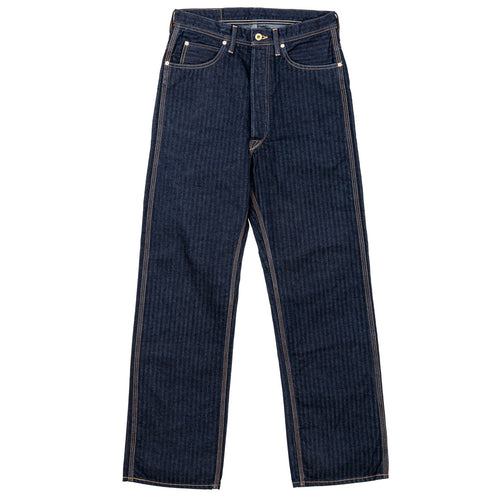
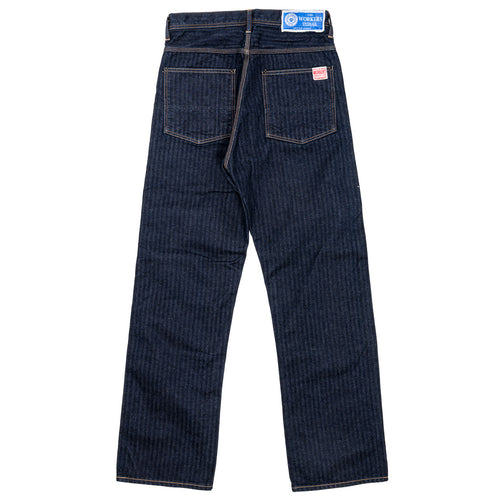
WORKERS Lot 815 Work Pants, 12 oz, Grey Back Indigo Herringbone
¥24,200
1 Colors
-
WORKERS
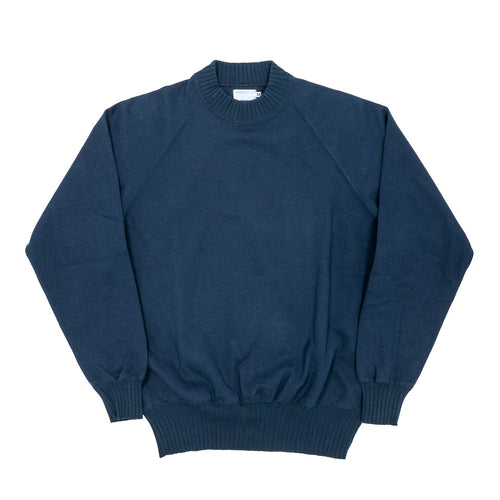
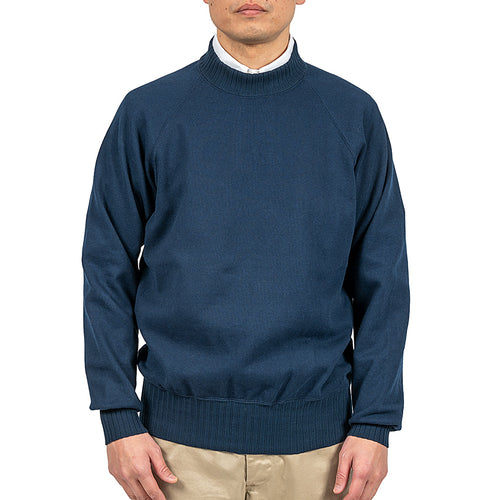
WORKERS Raglan Cotton Swetaer, Navy
¥18,700
1 Colors
-
WORKERS
WORKERS Open Collar Shirt, Indigo Chambray
¥19,800
1 Colors


