


WORKERS
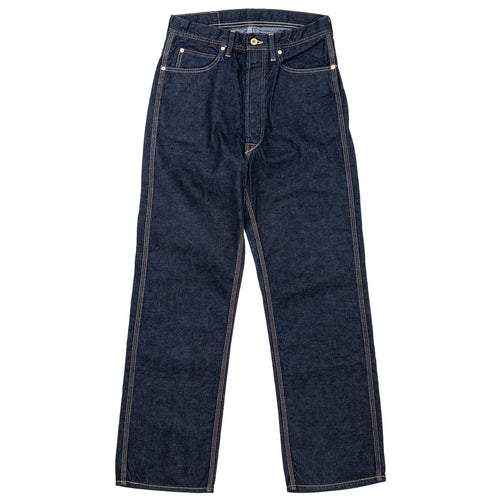
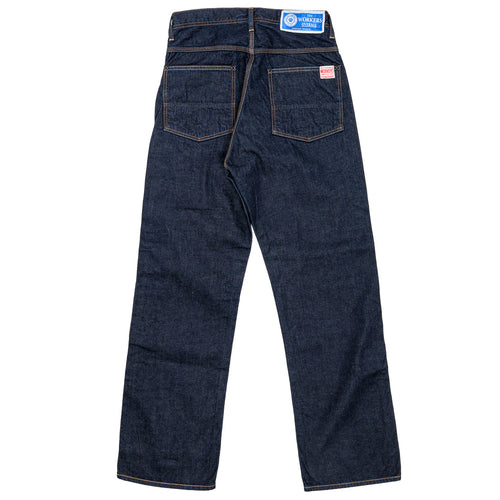
WORKERS Lot 801 Straight Jeans
Dhs. 592.00 (Tax excluded)
Please note that customs duties and VAT may apply depending on your country's regulations.
These are the responsibility of the recipient.
Delivery Date
Please note that the estimated delivery time may vary depending on circumstances.
CASDAY(東京/浅草・蔵前)のお取り扱い
Description
https://www.e-workers.net/report/S801_2/1.html
The denim yarn is WORKERS' familiar EMOT (Eastern Memphis, Orleans, Texas) rice cotton 100%, No. 7 yarn.
https://www.e-workers.net/store/old/201601/p1.html
https://www.e-workers.net/store/old/201601/p2.html
I asked Kaihara-san to handle the dyeing again this time.
https://www.e-workers.net/store/old/201601/p3.html
Unfortunately, we cannot show the process where sulfurization occurs. This is a photo from when I dyed Indigo 100. Also, this time the weaving was also by Kaihara. There were two reasons: ・Kaihara-san wanted to try denim with a certain amount of tension. At first, when he wove denim, I was a low-tension type! That was it. In a way, is it a consensus? It has become a consensus, and "Old denim has a relaxed tension. That's why it's rough. I used to think that way too! But later, once I was able to see and touch the originals to some extent... "No, I don't think it's that weak tension," and in fact, seeing the fading (which falls at the points or, if too weak, the color falls sideways) on fabric woven with low tension, I've come to think, 'I wish they would have a bit more vertical strokes that show the nature of the threads.' So, I wanted to weave with a certain amount of energy! That's one of the things I came up with. - The issue of how much weaving marks are easily seen with weak tension is tolerated. The weak points of weak-tension weaving, There are many weave marks. In a way, since it's selvage denim, it's an unavoidable part. In fact, some customers say they love the weaving scratch! It's vintage too! Some customers say that. It's like a penetration in pottery, and you could say that having scratches makes the scenery look better. It's really difficult. If I had a store and had the customer in front of me see the actual product, I could explain it as well. You can also choose what you like from the inventory. However, WORKERS mainly sell online or wholesale. In that case, it's better not to have weaving scratches. So, I asked Kaihara-san to apply tension and reduce weaving damage... The finished dough... hmm~ this is just fine. This approach is different from the softness of the early WORKERS, which was often called 'stretch?'. It's hard, but not too hard. It's like having a waist. I think you'll understand this if you actually pick it up in your hands.
COLOR:Denim
Authentic replica wear born from an overwhelming curiosity about vintage wear
WORKERS is a menswear manufacturer based in Okayama, focusing on work, traditional style, and military styles.
Takashi Tateno, the representative who favors the unique atmosphere of vintage clothing, has studied actual vintage clothing,
We visited the manufacturer where the product was made and the existing buildings to learn about its history and materials. We research thoroughly and use them as inspiration for product creation.
All products are made in Japan, and you understand the process yourself,
Production is carried out only in factories that require dedicated equipment for each process.
Not only from Japan, but also from places like J.CREW and INVENTORY,
It is attracting intense attention from globally recognized companies.
- SKU
- -
- Fabric
- COTTON
- Country of Origin
- JAPAN
Store
Related Products
-


WORKERS
WORKERS Modified BD Shirt STRIPE OX
Dhs. 828.00
-


WORKERS
WORKERS Modified BD Shirt STRIPE OX
Dhs. 450.00
-


WORKERS
WORKERS Modified BD Shirt STRIPE OX
Dhs. 450.00
-


WORKERS
WORKERS Modified BD Shirt STRIPE OX
Dhs. 1,088.00
-
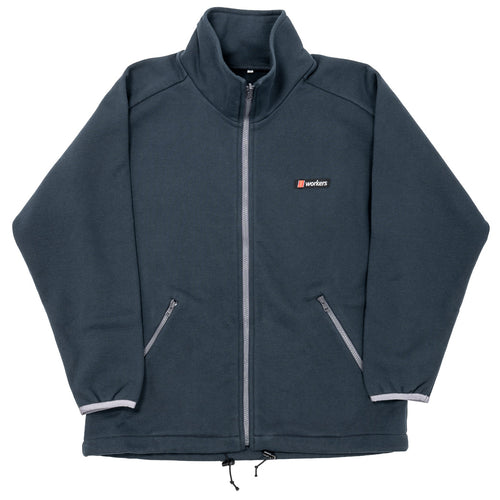
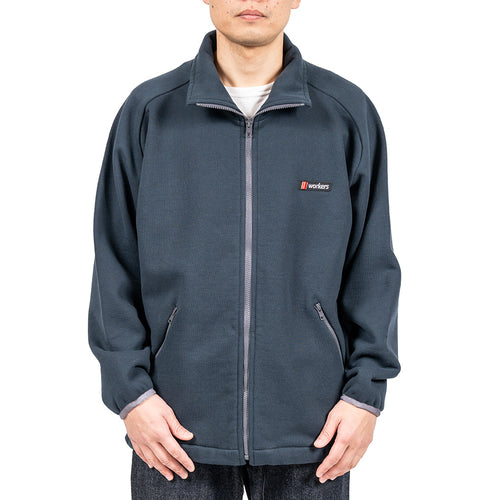
WORKERS
WORKERS Modified BD Shirt STRIPE OX
Dhs. 592.00
-
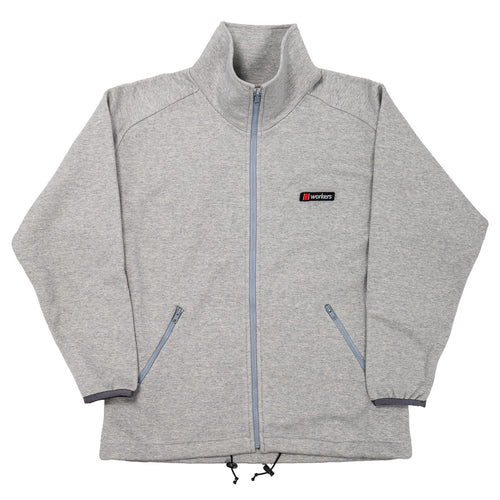
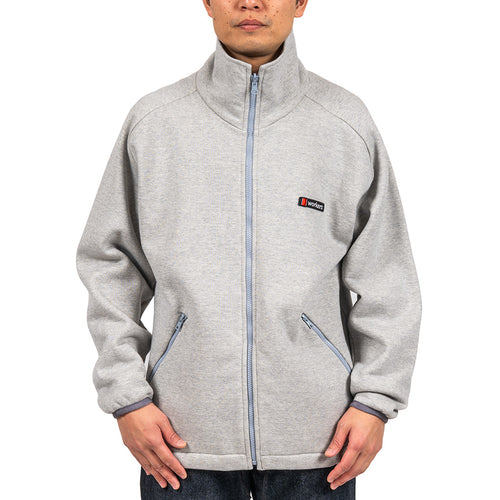
WORKERS
WORKERS Modified BD Shirt STRIPE OX
Dhs. 592.00
-
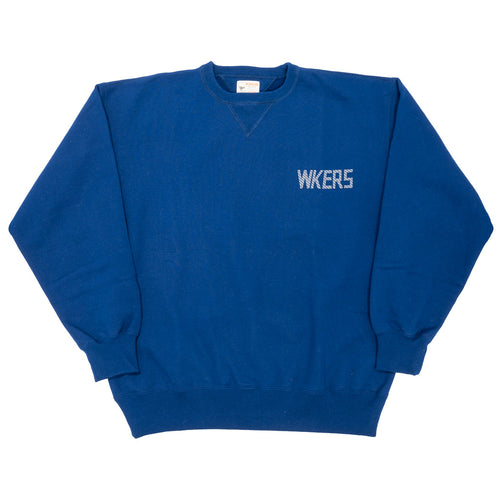
WORKERS
WORKERS Modified BD Shirt STRIPE OX
Dhs. 426.00
-
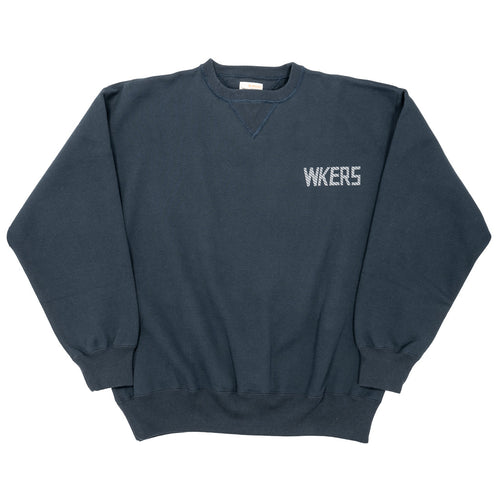
WORKERS
WORKERS Modified BD Shirt STRIPE OX
Dhs. 426.00
-
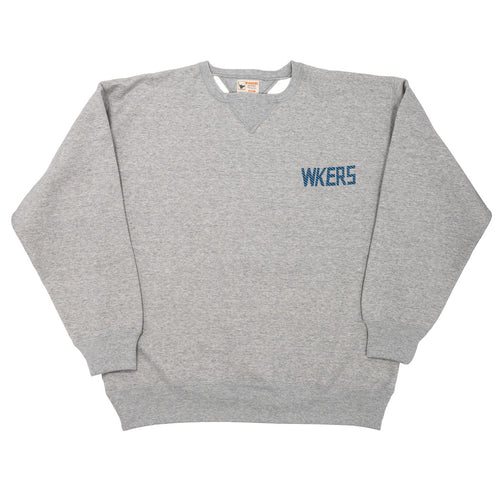
WORKERS
WORKERS Modified BD Shirt STRIPE OX
Dhs. 426.00
-
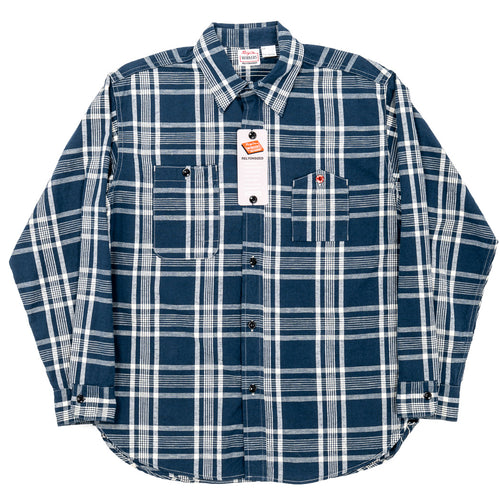
WORKERS
WORKERS Modified BD Shirt STRIPE OX
Dhs. 403.00
-
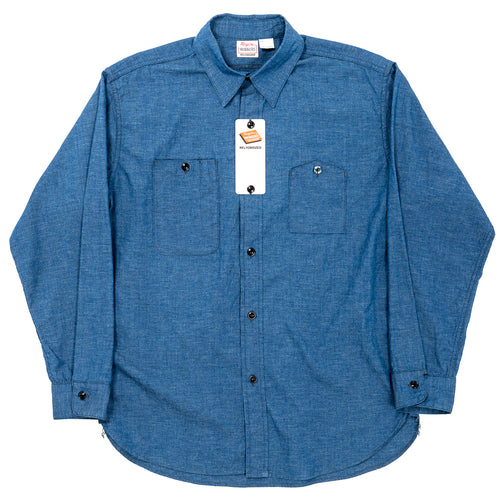
WORKERS
WORKERS Modified BD Shirt STRIPE OX
Dhs. 403.00
-
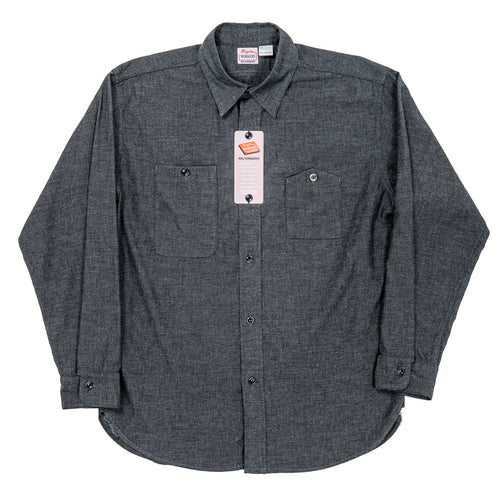
WORKERS
WORKERS Modified BD Shirt STRIPE OX
Dhs. 403.00
-
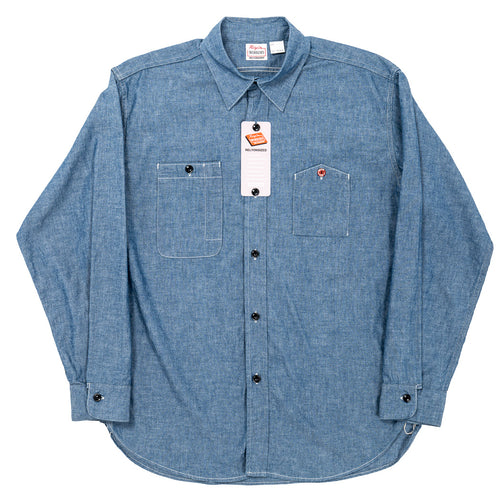
WORKERS
WORKERS Modified BD Shirt STRIPE OX
Dhs. 403.00
-
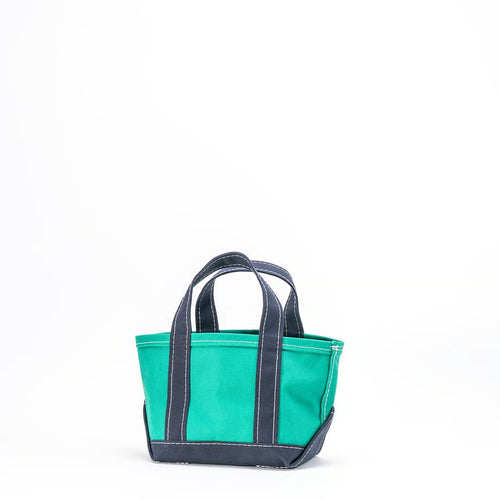
WORKERS
WORKERS Tool Bag, Medium-Long Hangle, Ecru x OD
Dhs. 213.00
-
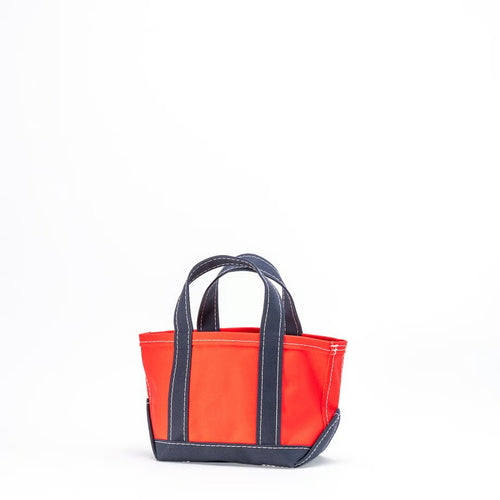
WORKERS
WORKERS Tool Bag, Medium-Long Hangle, Ecru x OD
Dhs. 213.00
-
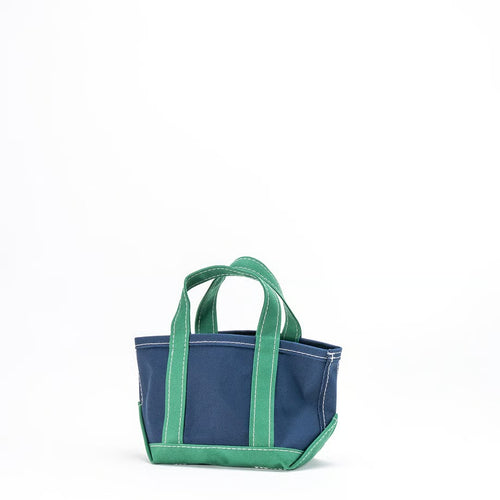
WORKERS
WORKERS Tool Bag, Medium-Long Hangle, Ecru x OD
Dhs. 213.00
-
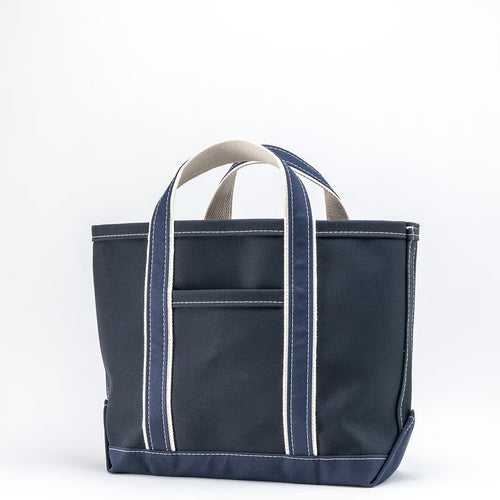
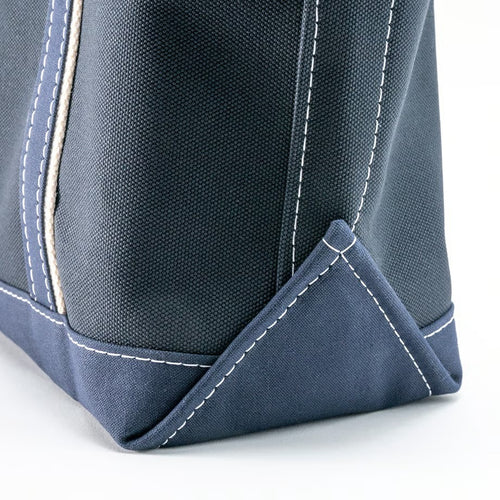
WORKERS
WORKERS Tool Bag, Medium-Long Hangle, Ecru x OD
Dhs. 426.00
-
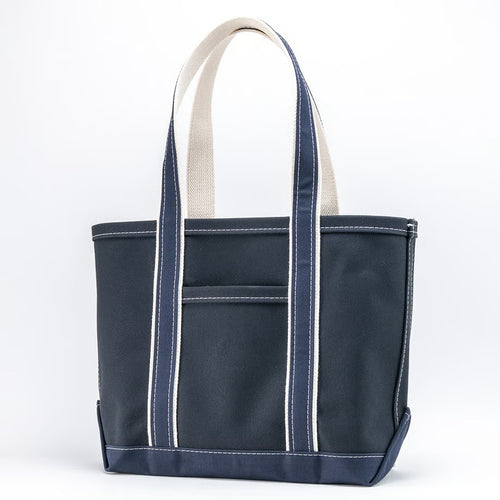
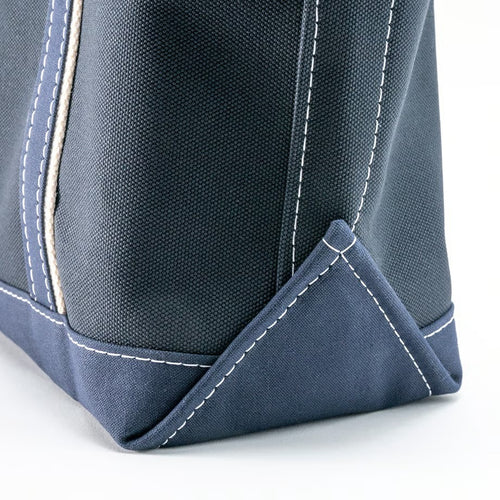
WORKERS
WORKERS Tool Bag, Medium-Long Hangle, Ecru x OD
Dhs. 426.00
-
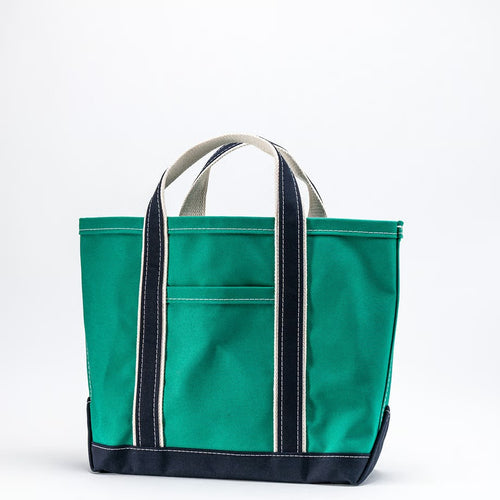
WORKERS
WORKERS Tool Bag, Medium-Long Hangle, Ecru x OD
Dhs. 426.00
-
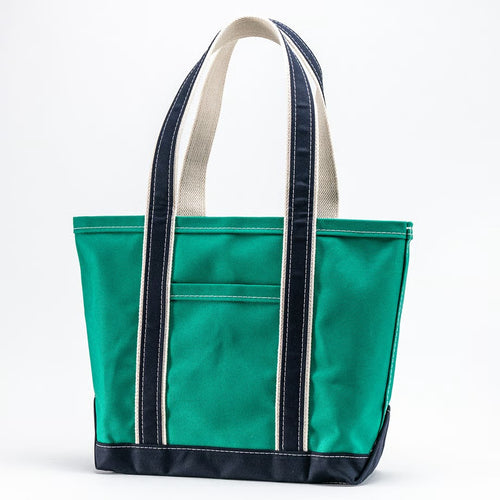
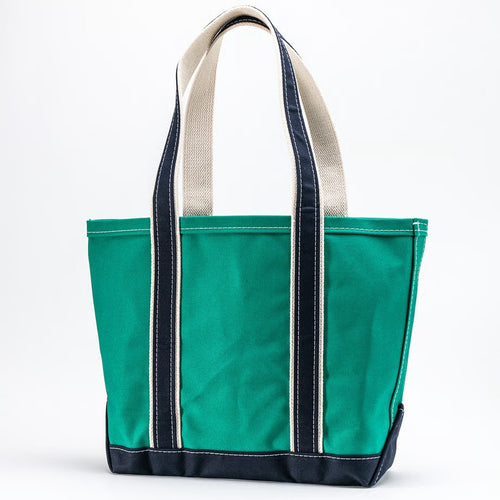
WORKERS
WORKERS Tool Bag, Medium-Long Hangle, Ecru x OD
Dhs. 426.00
-
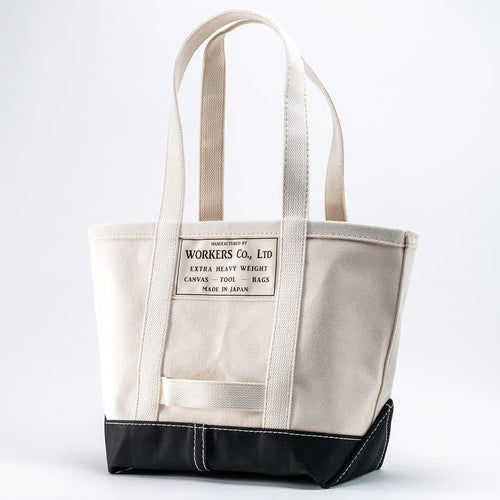
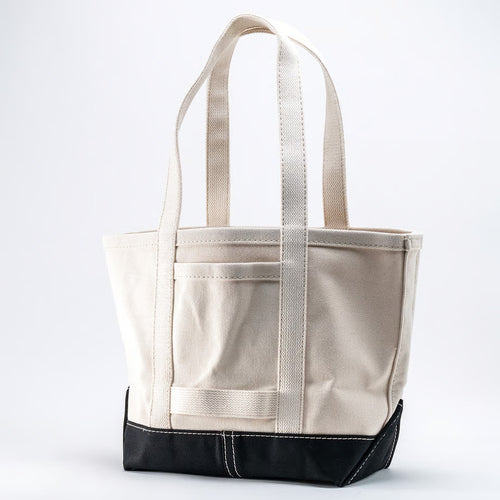
WORKERS
WORKERS Tool Bag, Medium-Long Hangle, Ecru x OD
Dhs. 426.00
-
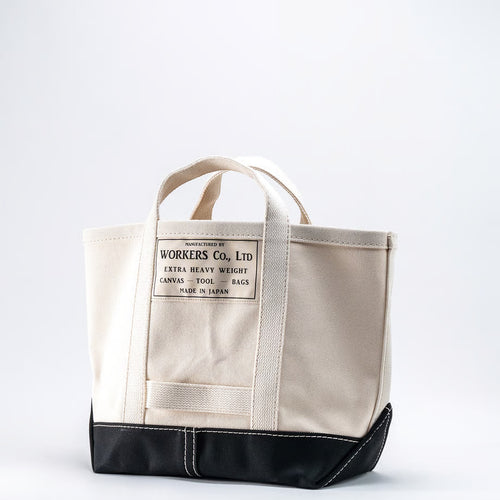
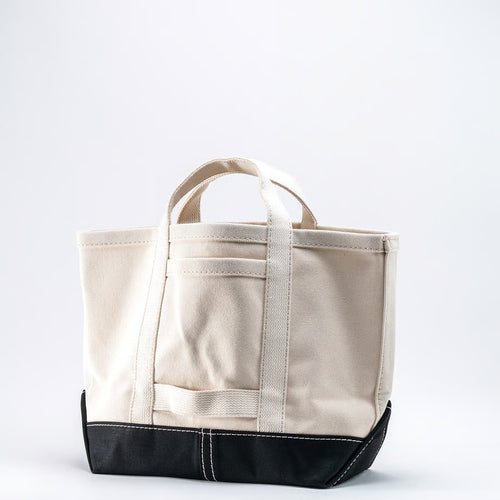
WORKERS
WORKERS Tool Bag, Medium-Short Handle, Ecru x Black (copy)
Dhs. 426.00
-
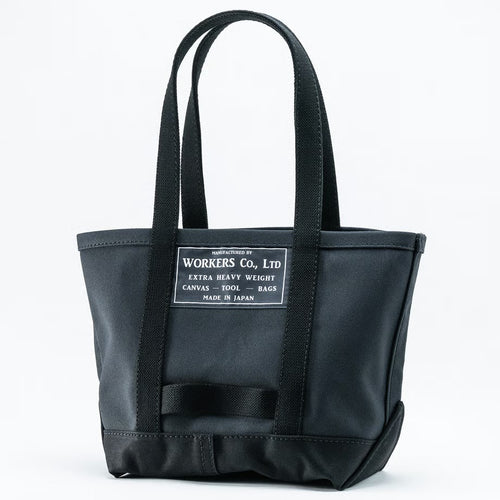
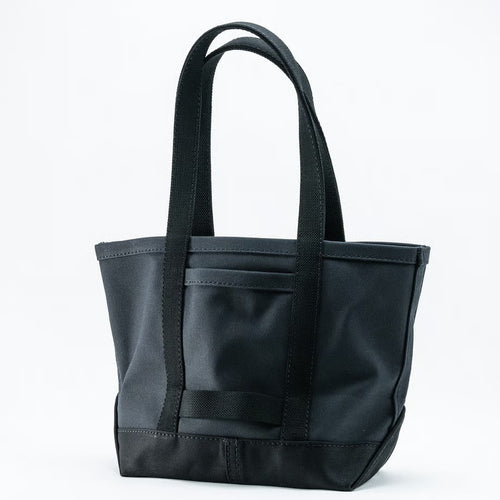
WORKERS
WORKERS Tool Bag, Medium-Short Handle, Ecru x Black (copy)
Dhs. 473.00
-
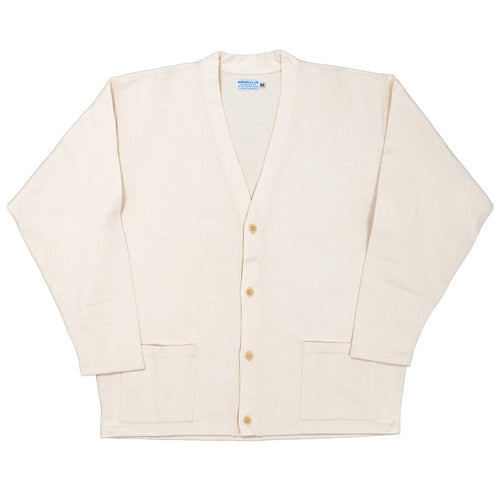
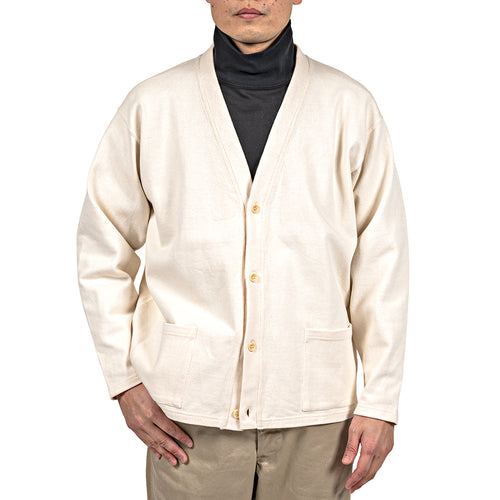
WORKERS
WORKERS Modified BD Shirt STRIPE OX
Dhs. 473.00
-
WORKERS
WORKERS Modified BD Shirt STRIPE OX
Dhs. 473.00
-
WORKERS
WORKERS Modified BD Shirt STRIPE OX
Dhs. 473.00
-
WORKERS
WORKERS Modified BD Shirt STRIPE OX
Dhs. 473.00
-
WORKERS
WORKERS Modified BD Shirt STRIPE OX
Dhs. 521.00
-
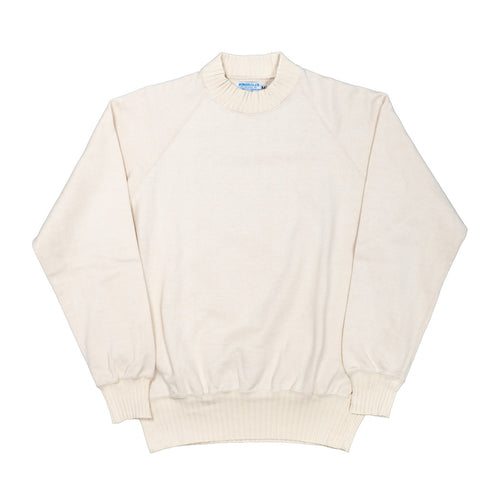
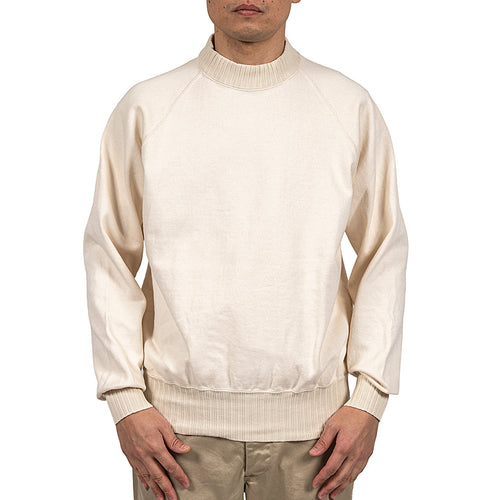
WORKERS
WORKERS Modified BD Shirt STRIPE OX
Dhs. 403.00
-
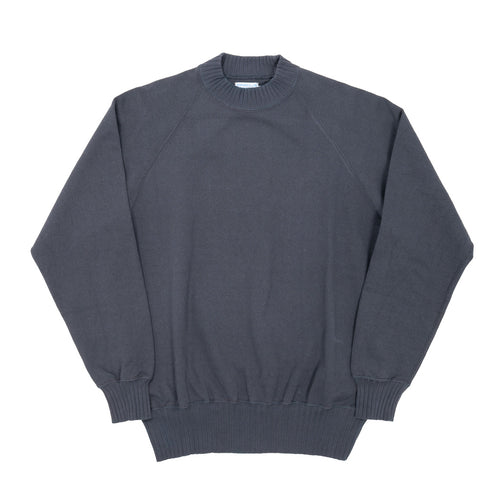
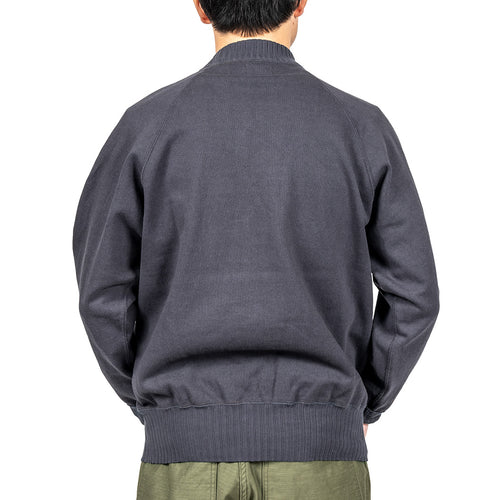
WORKERS
WORKERS Modified BD Shirt STRIPE OX
Dhs. 403.00
-
WORKERS
WORKERS Modified BD Shirt STRIPE OX
Dhs. 403.00
-
WORKERS
WORKERS Modified BD Shirt STRIPE OX
Dhs. 473.00
-
WORKERS
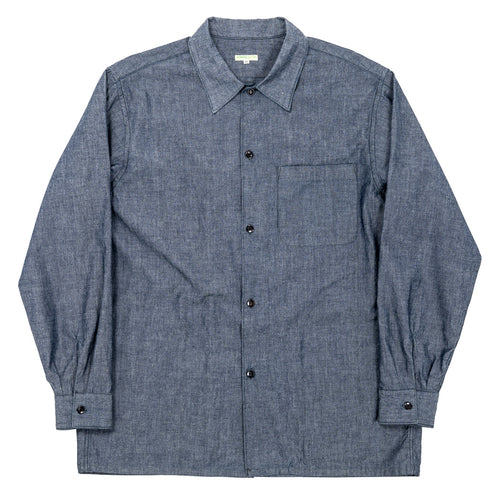
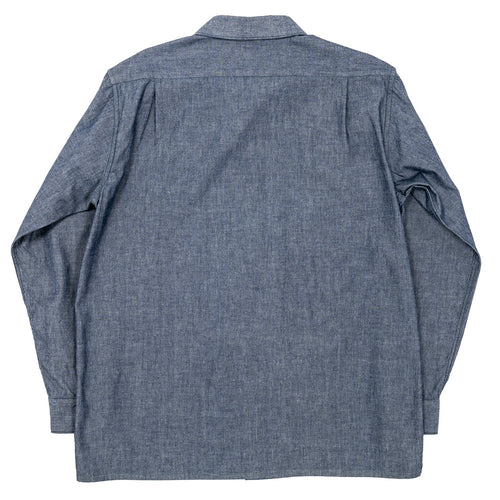
WORKERS Modified BD Shirt STRIPE OX
Dhs. 426.00
-
WORKERS
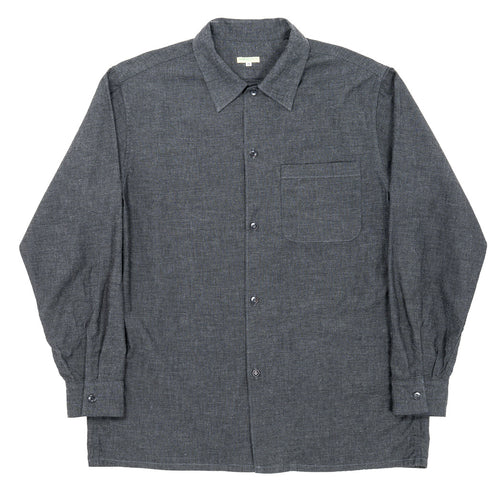
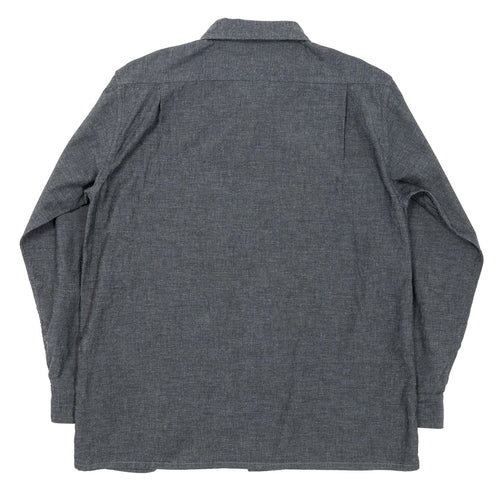
WORKERS Modified BD Shirt STRIPE OX
Dhs. 426.00
-
WORKERS
WORKERS Modified BD Shirt STRIPE OX
Dhs. 154.00
-
WORKERS
WORKERS Modified BD Shirt STRIPE OX
Dhs. 521.00
-
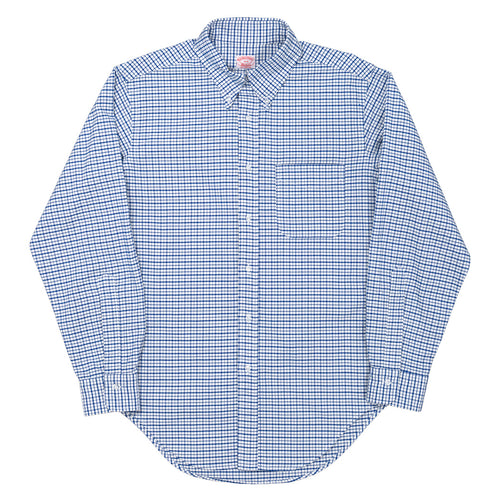
WORKERS
WORKERS Modified BD Shirt STRIPE OX
Dhs. 403.00
-
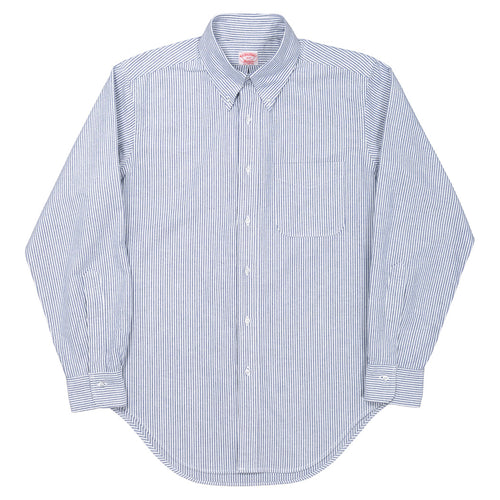
WORKERS
WORKERS Modified BD Shirt STRIPE OX
Dhs. 403.00


